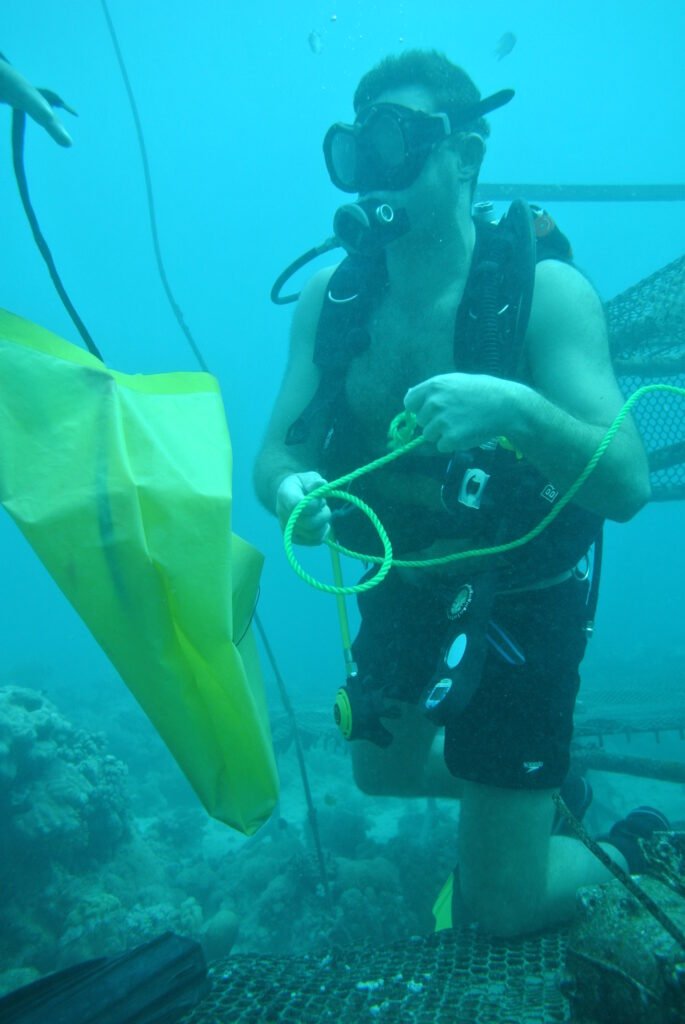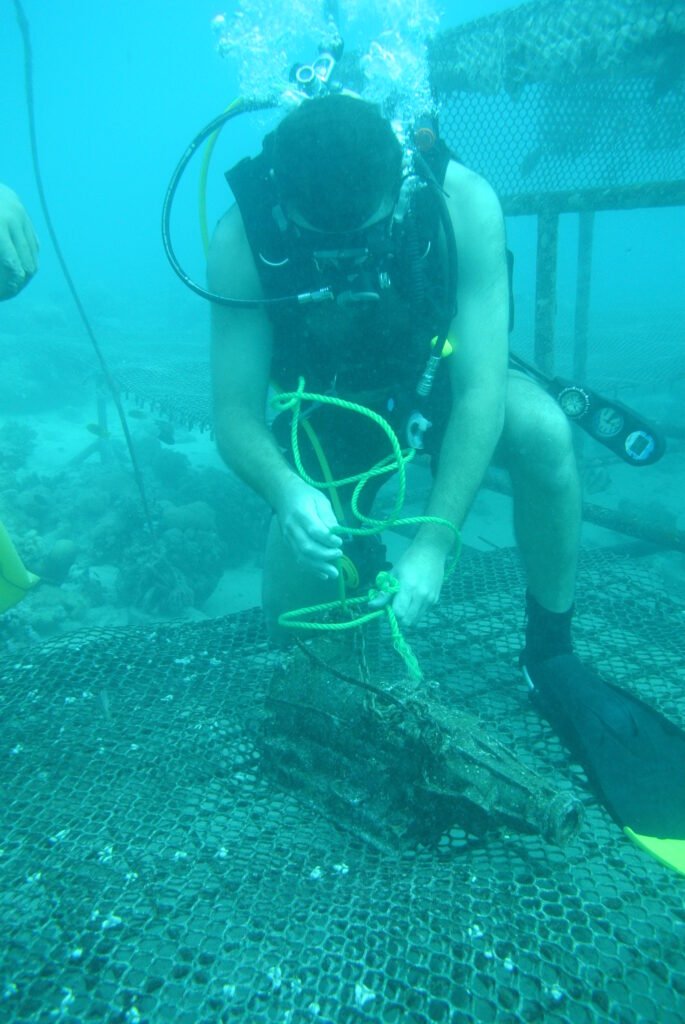

Chris, who runs Brown Box Storage, is a PADI Divemaster with hundreds of dives in the Red Sea, Caribbean and UK. He knows how valuable dive kit is and how it should be stored.
If you scuba dive, you already know the truth:
Your “little hobby” somehow turned into:
- Cylinders
- BCDs
- Wetsuits / drysuits
- Fins, masks, boots, gloves
- Bags, spares, tools, lights, reels, computers
…and all of it is currently fighting your car and your family for space.
I get it.
I run Brown Box Storage in Tamworth, and I’m also a PADI Divemaster who’s spent years underwater lugging twinsets around wrecks and reefs. I know exactly how much dive kit costs, and how badly it copes with cold, damp British sheds.
This page is your guide to storing your scuba gear properly, without it taking over your house.
What your scuba gear is really worth
Most divers massively underestimate the value sitting in the corner of the garage.
Add it up:
- BCD
- Regs & octo
- Cylinders (usually more than one…)
- Wetsuit or drysuit (or both)
- Computer, torch, DSMBs, reels, fins, mask, weights, bags
Even a basic single-tank setup easily runs into four figures. If you’ve gone drysuit, tech or camera-mad, it’s the cost of a small car.
So the real question isn’t:
“Where can I dump this stuff?”
It’s:
“Why am I leaving life-support gear to rot in a freezing shed next to the lawnmower?”
The problem with storing dive kit at home
1. Cold, damp sheds & garages
British weather is not your friend.
- Neoprene hates cold, damp, stagnant air
- Metal + moisture = rust on buckles, clips and cylinders
- Boots & gloves turn into biohazard experiments
You paid good money for that kit. A £40 rusty zip because the suit lived in a wet heap is not “just one of those things.” It’s avoidable.
2. Awkward, heavy & always in the way
Dive kit is:
- Heavy (cylinders, weights, bags)
- Bulky (BCD, suit hangers, bags)
- Always “temporary”… for about three years
It starts in the hallway “just for tonight” after a trip and somehow becomes a permanent obstacle course.
3. Security: sheds are soft targets
Cylinders, regs and computers are easy to grab and easy to sell.
A cheap padlock on a wobbly shed door is not security. It’s a suggestion.
4. Relationship friction
Let’s be honest:
“Either the cylinders go or I do”
…has been said in more than one dive household.
You shouldn’t have to choose between your kit and your sanity (or your partner’s).
Why indoor self storage works better for scuba gear
Indoor self storage isn’t just for people moving house. Used properly, it makes a brilliant dive locker.
1. Dry, stable environment
Our units at Brown Box Storage, Tamworth are:
- Indoors
- Dry and clean
- Away from the worst temperature swings
That’s far kinder to:
- Neoprene suits
- Zips & seals
- Metal fittings and clips
- Cylinders & valves
2. 9ft tall units = vertical storage
Most garages are a mess because everything lives on the floor.
Our units are 9ft tall, which means you can:
- Hang wetsuits & dry-suits properly
- Stack cylinders upright against a wall
- Use racking for crates of spares, masks, tools and “maybe one day” kit
Vertical space = more kit, less chaos.
3. Security that doesn’t rely on a £10 padlock
At Brown Box you get:
- Secured building
- Monitored CCTV
- Locked unit only you can access
Your regs and computers are no longer one crowbar away from Facebook Marketplace.
4. Flexible sizes for real divers
You don’t need a warehouse.
Most divers are fine with:
- A small unit for one diver’s full kit, with room to grow
- A medium unit if there are two of you diving regularly or you’ve got club / school gear
We can talk you through the right size in plain English, not “storage speak.”
Turn your unit into a proper dive locker
Here’s how to set up a Brown Box unit so it actually works in real life.
Step 1: Hang the suits
Use a sturdy rail or heavy-duty hangers to keep:
- Wetsuits
- Drysuits
- Undersuits
…hanging, not folded into creases of doom.
Step 2: Park the cylinders safely
- Stand cylinders upright, secured so they can’t fall over
- Keep them away from direct heat sources (not usually an issue indoors)
- Use the 9ft height to stack sensibly if you’ve got more than a couple
Step 3: Sort fins, masks & small bits
Use a simple racking unit with:
- One crate for fins & boots
- One for masks, snorkels, hoods & gloves
- One for tools, spares, O-rings, bits of tape and stuff “you might need one day”
Label them. Future-you will actually thank past-you for once.
Step 4: Make a “grab & go” box
Keep one bag or crate packed with:
- Mask & spares
- Computer
- Torch & chargers
- DSMBs & reel
- Logbook / certification cards
When a last-minute trip pops up, you’re not hunting half your life across the house. You go to the unit, grab the box, grab the suit & regs, and go.
Options for different types of divers
Solo diver or couple?
Just want your garage back?
- One compact unit is usually enough for 1–2 full sets of kit plus some extras.
- Store everything in one place instead of spread across loft, boot and shed.
Dive buddies sharing
If you always dive with the same mate(s), share a slightly bigger unit:
- Everyone chips in
- Kit is central, organised and secure
- You can even keep a whiteboard of who’s got what
Clubs, instructors & schools
If you run a club or teach:
Use a larger unit as a club kit room
Store cylinders, school BCDs, spare masks & fins, pool gear and tools
Keep everything central so volunteers aren’t housing half the club in their garage
FAQ: Storing scuba gear at Brown Box Storage
Can I store scuba cylinders in a storage unit?
Yes, you can store cylinders safely and securely in an indoor unit, as long as they’re in good condition and valves are closed. If you’ve got any specific concerns, we’ll happily talk it through with you.
Is indoor storage really better for wetsuits and dry-suits?
Yes. Neoprene and latex seals hate damp, fluctuating temperatures.
A dry, indoor unit is far kinder than a cold shed, which means zips, seams and seals last longer.
Do you offer storage for dive clubs and instructors?
We do.
We can help clubs, instructors and schools choose a unit size that works for:
- Cylinders
- School gear
- Spares & tools
- Paperwork and banners
If you tell us how much kit you’ve got, we’ll give you a straight answer on what fits.
Can I access my dive kit early in the morning or late at night?
Brown Box Storage has generous access hours that work for early starts and tired post-dive returns. Check our current times or give us a ring and we’ll confirm what’s possible.
I’ve never used self storage before. Is it complicated?
No.
You pick a unit size, sign up, bring your gear and lock the door.
We’re happy to help you work out layout if you want tips from someone who’s actually dived, not just read a leaflet.
Ready to give your dive kit a proper home?
If your cylinders are currently living in the hallway and your suit smells like a biology experiment, it’s time.
At Brown Box Storage in Tamworth you can:
- Store your scuba gear indoors, safely and securely
- Stop wrecking expensive kit in a cold shed
- Get your garage, loft and relationship back
👉 Call us on 01827 954 345
👉 Or visit brownboxstorage.co.uk to get a quote and sort your own “Dive Locker” out.
Store your gear like you actually plan to dive again.